
We measure the behavioural foundation that decides whether people development takes root. Then we build from what we find. Grounded in a Harvard-developed taxonomy, field-tested across nine years of practice in Pakistan.
Book a conversation
Pakistani organisations spend heavily on training every year. A single two-day programme runs between PKR 180,000 and 250,000 per person. For a mid-size company, that reaches several million rupees a year on one programme alone. Even then, there is rarely a way to know whether behaviour actually changed.
The problem is seldom the trainer or the content. It is the sequence. Behaviour change depends on a foundational layer that decides whether any development takes root, and traditional L&D skips it, because the tools to find it did not exist. We built that tool.
Behaviour is layered. Skills sit on top. Underneath them are the relationships that carry them, and underneath those, the foundation that holds it all up. Development lands only when the layers beneath it are stable.
The foundation. Values in practice, clarity of direction, and the ownership that decides whether people act or wait to be told.
The relational layer. How the team regulates disagreement, collaborates, and seeks and offers support when it is needed.
The execution layer. Focus, planning, adaptability, and how the team responds when the original approach stops working.
One conversation. We will show you where to look.
Book a conversationThe distance between what an organisation wants from its people and what actually shows up in behaviour on a working day. Most interventions treat the symptom. We address the source.
Standard L&D installs visible execution skills on teams whose foundation has never been examined. The skills produce a strong first month and then fade, because the layer that sustains them was never stable. This pattern, repeated across organisations and budgets, is the Translation Gap.
We watch behaviour where it actually lives — in how a team talks, decides, and handles pressure together. That is where the foundation shows itself, long before any framework is drawn on a wall.
Values in practice, clarity of direction, and the internal ownership that determines whether people act with intent or wait to be told, especially under pressure and when no one is watching. When this layer is stable, the layers above it can function.
How the team regulates disagreement, collaborates, and seeks and offers support when it is needed. The relational layer carries the foundation into daily interaction. When the foundation is unstable, this layer absorbs the strain.
Focus, planning, adaptability, and how the team responds when the original approach stops working. The visible layer, and the one most organisations try to fix directly. It holds only when the two layers beneath it do.
A short behavioural assessment locates which layer the gap sits in, and produces a baseline report that names the findings, their drivers, and their cost, with a sequenced recommendation.
Structured behavioural development addresses the layers in the right order, starting at the foundation rather than the symptom. Intervention follows evidence rather than assumption.
Re-assessment tracks whether behaviour actually changed, closing the loop that conventional L&D leaves open and turning a one-time programme into a measurable trajectory.
A behavioural baseline for your team. Fifteen minutes to complete, a structured report in your hands within working days.
A department or L&D head answers twelve behavioural questions and four short prompts, with one specific team in mind. The instrument scores that team across Purpose, People, and Performance, and locates where the gap sits.
It is grounded in a taxonomy developed at Harvard’s EASEL Lab and adapted for Pakistani professional settings, so the patterns it surfaces are the ones that actually show up here.
Fifteen minutes, completed by a department head about one team. Access is issued per engagement.
Every report is reviewed by Sarah Khan Associates and grounded in your specific answers, never generic. Delivered within three to five working days.
A clear report: where the team scores on each layer, the findings and what drives them, what each is costing, and a sequenced recommendation you can act on.
The report shows each layer scored against a clear threshold, names three connected findings and the cost of each, and gives a concrete next step in the right order. It tells you, plainly, whether your next training investment will land or revert, and where to spend first.
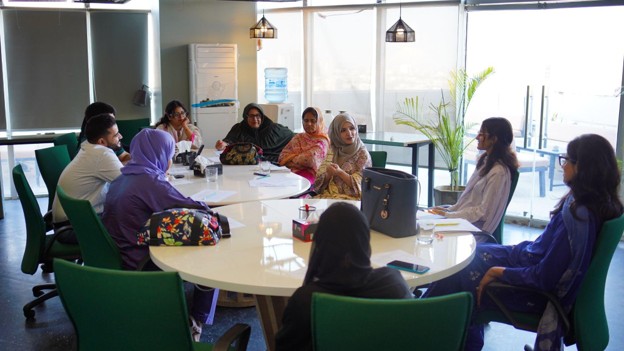
The value is not the score. It is the conversation the score makes possible — a team looking at the same evidence, naming the same gap, and agreeing where to begin.
Start with a conversation. We will set up access and walk you through it.
Book a conversationWhy organisations spend so much developing their people and see so little actually change — and the body of work built to answer it.
Why do organisations spend so much developing their people, and see so little actually change?
We have spent nine years sitting with that question. In rooms, with real people, watching what happens when the pressure is on, when relationships get difficult, when values get tested. And the same thing kept showing up. The problem was never that people did not know what to do. The problem was the distance between what they knew and what they actually did when it mattered.
We call that distance the Translation Gap. Closing it became our life’s work.
SKA is the Anchor Organisation Lead for the EASEL Lab at Harvard University, one of the world’s leading centres for social and emotional learning research.
Our work there asks a hard question. When a competency framework built in one part of the world is brought into another, what survives the journey, and what disappears?
The answer we keep arriving at is uncomfortable. The things that matter most are often the first to get lost. The local meaning, the cultural weight, the way a behaviour actually shows up in a Pakistani office rather than an American one. Most tools never notice what went missing. Ours is built to find it.
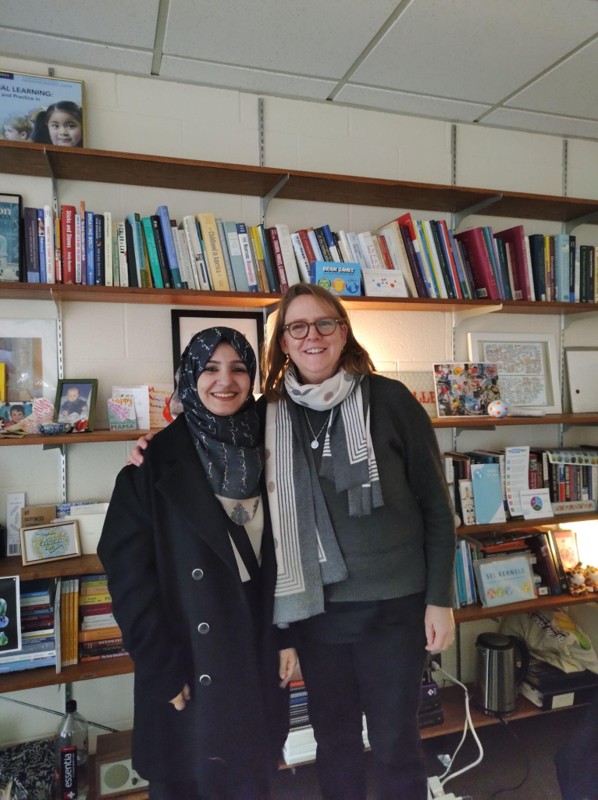
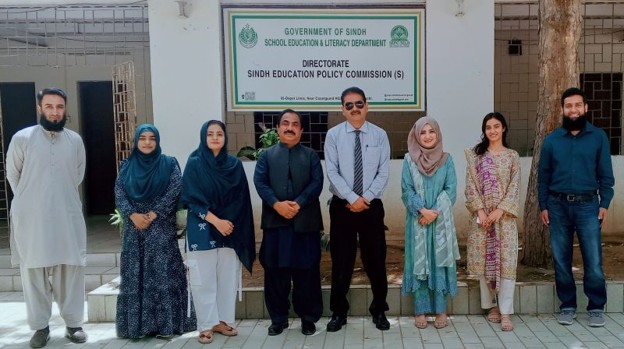
The deeper the work went, the further it travelled. What began as a question about people development became a conversation about the workforce. And then a conversation about policy.
We were invited to sit with the Sindh Education Policy Commission to discuss the state of social and emotional learning in Sindh, and what it means for the people who will carry this economy forward.
The same thinking that helps one team in one office also speaks to how a province prepares its people. That is the reach of this work when it is done properly.
The Thrive by Design Diagnostic did not come from a textbook. It came from nine years of watching how Pakistani professionals actually behave at work.
Every question in it, every layer, every line of the report, reflects something we saw with our own eyes in the field. Nothing was imported from somewhere else and relabelled for this market. That is what makes it different. And that is what makes it work here, where so many borrowed tools do not.
Every diagnostic we run feeds something larger.
We are building Pakistan’s first National Workforce Behavioural Intelligence Index. A benchmark that tells an organisation not just how its team is doing, but how its team compares to the wider Pakistani workforce.
Right now, that benchmark does not exist. No one has built it. We are. One organisation at a time. And every organisation that works with us becomes part of the first real picture of how this country actually works.
Start with a conversation. We will show you where to look.
Book a conversationGlobal frameworks are built on Western data, then travel South. Sarah Khan Associates is reversing that direction, using social-emotional learning as a lever for human capital development.
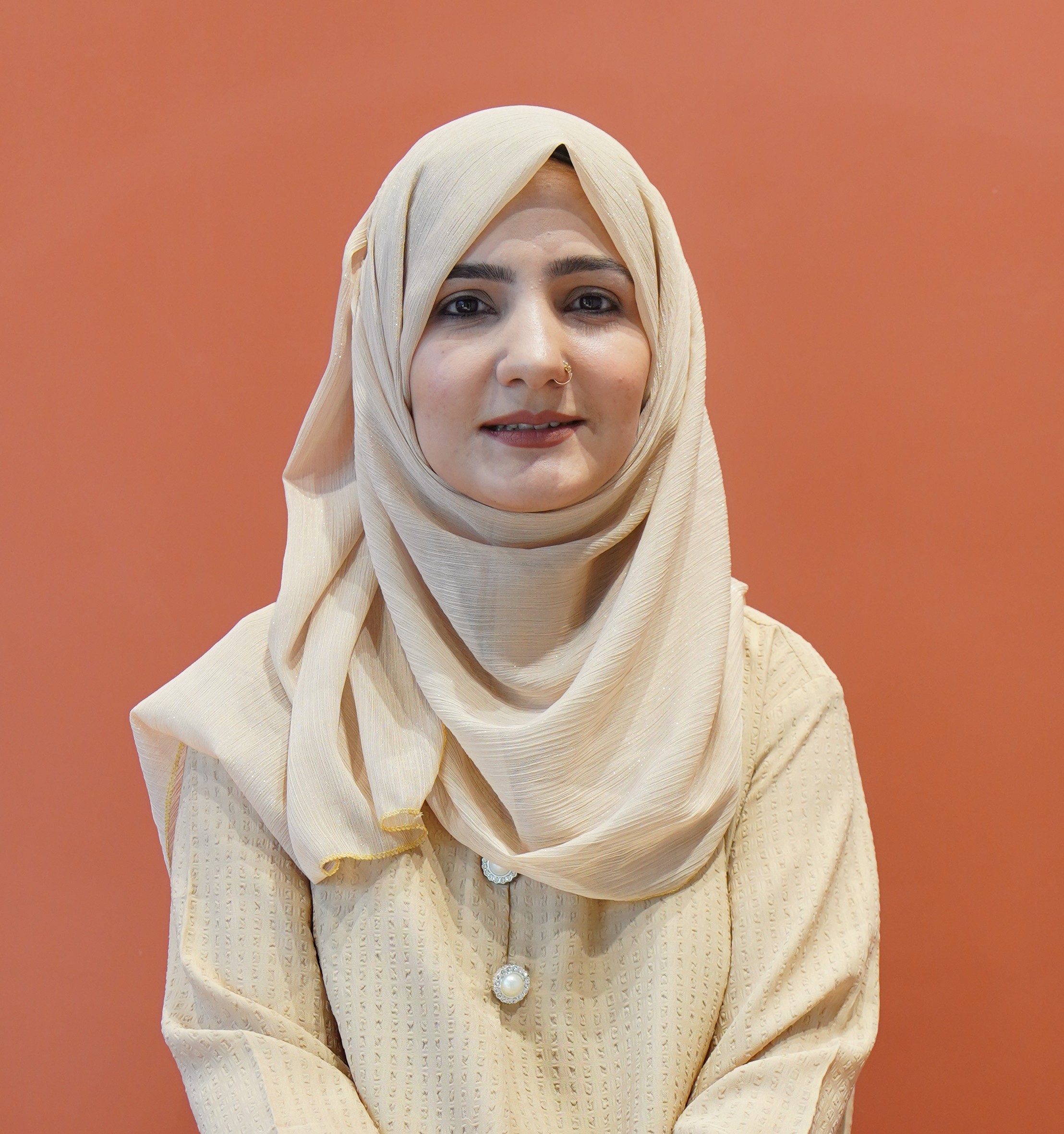 Sarah Khan · Founder
Sarah Khan Associates works at the intersection of social-emotional learning research and applied human capital development. We translate rigorous behavioural science into instruments and interventions that work in real organisations, and we generate the data that the field in this region has never had.
Our founder is a PhD scholar at the University of Karachi and serves as Anchor Organisation Lead for the PSS-SEL Toolbox Phase II at Harvard’s EASEL Lab. The frameworks behind our work are grounded in the ExploreSEL taxonomy developed at Harvard, adapted through a commissioned research partnership, nine years of field implementation in Pakistan, and ongoing doctoral research.
We treat social-emotional learning as core infrastructure for workforce development, not a soft add-on. The capacities the World Economic Forum names as defining for the coming decade, resilience, adaptability, collaboration, are foundational behavioural capacities. SEL is how they are built, and measurement is how they are managed.
We build the measurement layer beneath people development in the Global South, so that organisations can invest in behaviour the way they invest in anything else they take seriously: with a baseline, a method, and evidence of change.
Pakistan’s first National Workforce Behavioural Intelligence Index. Norm-referenced. Built from local data. Designed to stand alongside the global benchmarks, rather than borrow from them.
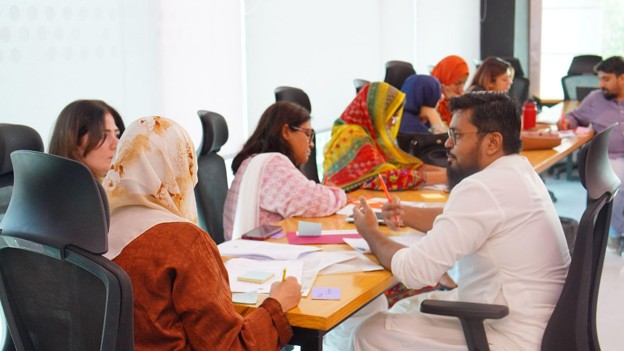
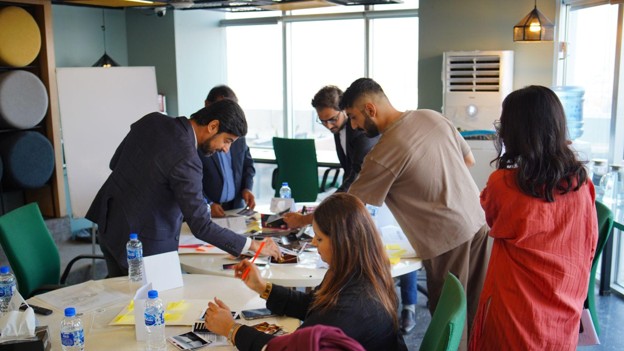
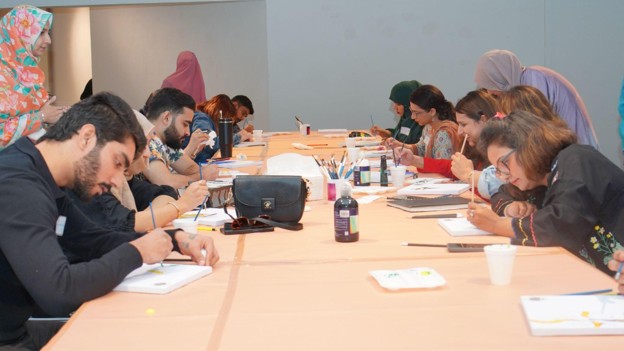
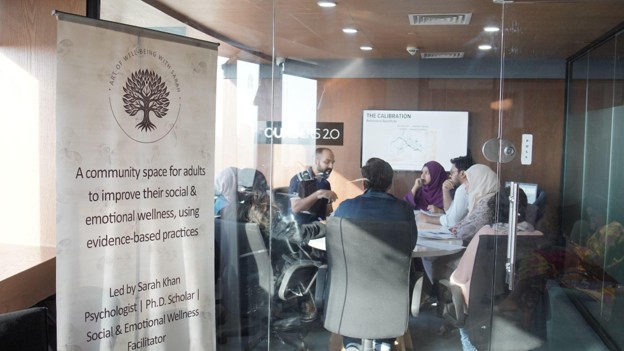
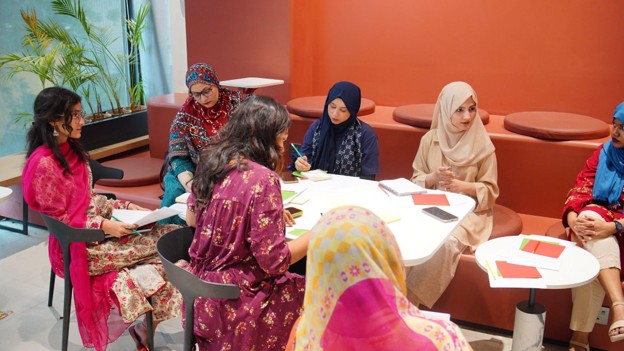
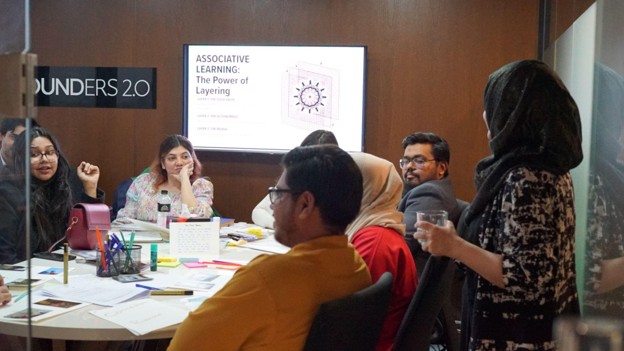
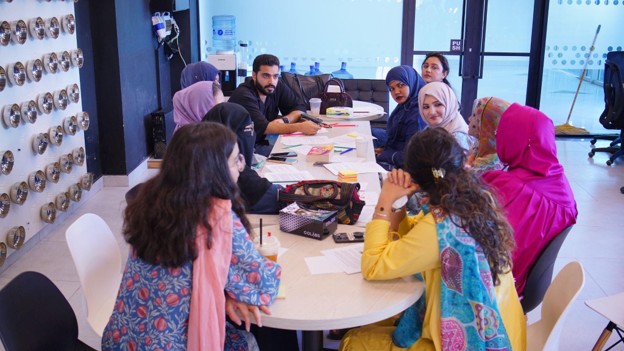
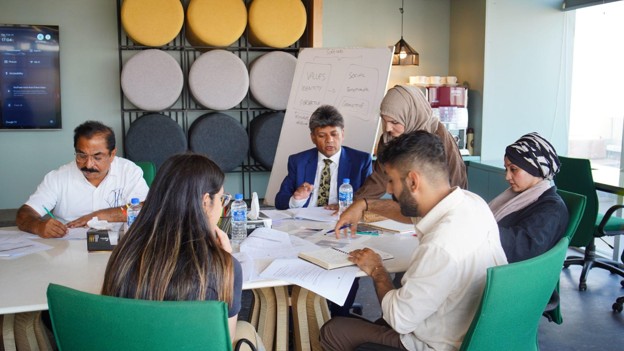
Sessions, assessments, and partnerships across Pakistan and beyond — behavioural development as it actually happens, with real teams.
Start with a conversation. We will show you where to look.
Book a conversation